

The difference between nutrigenomics and nutrigenetics. Discover how your genes influence your diet.
- That is the nutrigenetics ? And the nutrigenomics ?
What are nutrigenetics and nutrigenomics? This is a frequently asked question among those who are new to the world of genetics and its relationship to nutrition. In fact, it's very common to see the two concepts used interchangeably, as if they were synonyms. Although both nutrigenetics and nutrigenomics are part of a broader field of study called Nutritional Genomics, there are differences between the two terms.
The nutrigenetics It is the science that studies the response to nutrients or to the different components of the diet based on individual genetic differences, in such a way that it allows to know the specific nutritional requirements from genetic variables, called polymorphisms, which are changes in the DNA sequence, present in at least 1% of the population (1). In addition, nutrigenetics studies the risk of developing diseases dependent on diet (for example, obesity or type 2 diabetes).
On the other hand, the nutrigenomics, It analyzes the direct influence of nutrients on gene expression and health, as various studies have shown (2,3).
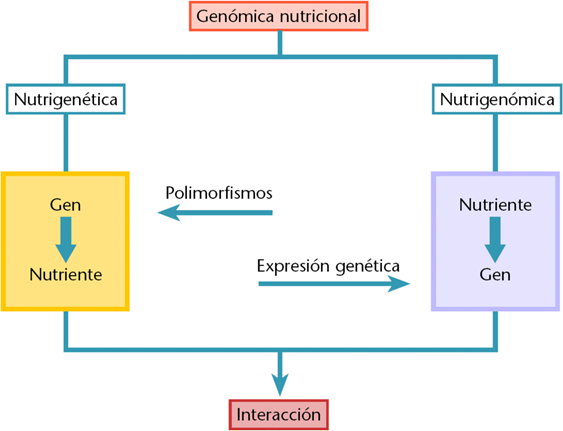
In any case, what seems obvious is that the relationship between genetics and nutrition is a topic of increasing interest. "Human genome diet," "genetic diet," etc., are common searches on Google, and content on this topic is frequently found in publications and websites across a variety of fields, from the most technical and scientific to the most informative, including lifestyle and fitness topics.
- As HE applies the nutrigenetics to the diet?
The primary function of diet is to provide the nutrients needed to meet a person's nutritional needs. Furthermore, nutrition plays a key role in non-communicable diseases, such as cardiovascular disease, diabetes, and certain types of cancer. Nutrigenetics allows for the application of corrective measures and strategies to prevent these diseases based on individual genetic profiles, as well as for the design of more effective, specific diets for each person (5,6).
Conducting a nutrigenetic analysis provides a wealth of information about individual genetic differences, which healthcare professionals can use to plan a diet tailored to each individual's needs. Below are some examples of the importance of various aspects affected by nutrigenetics.
- Nutrigenetics and diet Mediterranean
The health benefits of the Mediterranean diet are well known, and it is considered one of the healthiest dietary models in the world. In general, it is based on the daily intake of fruits and vegetables, whole grains, legumes, nuts, fish, white meat, and olive oil. It may also include moderate consumption of fermented dairy products, low consumption of red meat, and moderate red/white wine with the main meal. Its positive effect on cancer prevention and on human metabolic and cardiovascular balance has been studied, and in recent years, studies have even been conducted on its influence on mental health (7).
Furthermore, it has been studied as an effective diet for weight loss. In this field, advances in nutrigenetics have made it possible to identify polymorphisms (1) that determine the greater or lesser effectiveness of different types of diets, which can help people whose goal is weight loss choose the most effective diet.
For example, the PPARγ gene encodes a protein that regulates glucose metabolism and fatty acid storage, stimulating fat uptake and adipogenesis (formation of adipocytes, i.e., fat cells, from stem cells) (8). Specifically, a polymorphism in the PPARγ gene is associated with a greater effectiveness of the Mediterranean diet in weight loss (9).
- Nutrigenetics and cholesterol
Cholesterol is a lipid of great physiological and pathological importance. Low-density lipoprotein (LDL, commonly known as "bad cholesterol") is the most common form of cholesterol transported in the blood, from the liver to all the cells in our body. High LDL levels are associated with an increased risk of coronary artery disease. This occurs because excess LDL in the blood forms plaques in the arteries, known as atherosclerosis, causing them to harden and, consequently, blocking or decreasing blood flow through them (10,11).
Among the clinical conditions resulting from arteriosclerosis are ischemic heart disease and stroke. According to data from the World Health Organization, ischemic heart disease is the leading cause of death worldwide, accounting for 16% of all deaths. Stroke is second, causing 11% of all deaths (12).
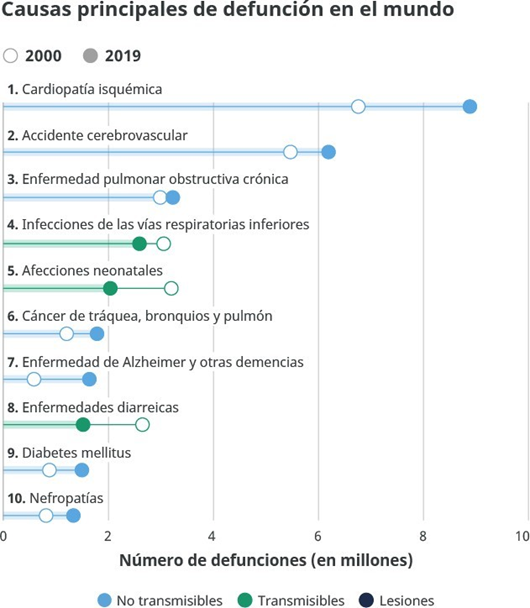
Figure 2. Leading causes of death worldwide (12)
Therefore, it is essential to monitor LDL blood levels to avoid major complications. Optimal LDL cholesterol levels are less than 100 mg/dL. Several genetic variants influence the likelihood of having high or low LDL levels, and are therefore indicative of risk. Among these genes is the HMGCR gene, which encodes the HMG-CoA reductase enzyme, the rate-limiting enzyme in cholesterol synthesis (13,14).
- 24Genetics and the nutrigenetics
He Nutrigenetics analysis 24Genetics' analysis includes, in addition to the examples cited, specific markers related to the benefits of various diets, a tendency to have high or low levels of different vitamins and minerals, as well as other factors related to diet and weight.
At Genotica, we offer a wide range of genetic tests that can help us understand ourselves from the inside out. Visit our website www.genotica.com and we will be happy to help you!